Lean vs Six Sigma Careers: Which Career Wins in the AI Era?
As AI transforms industries, one question comes up repeatedly: Will Lean or Six Sigma still be a good career choice? After spending more than 25 years working in manufacturing, medical devices, quality, and continuous improvement, I’ve found that many beginners think they must choose one over the other. In reality, that’s the wrong question. Lean and Six Sigma solve different business problems, and the most successful organizations use both.
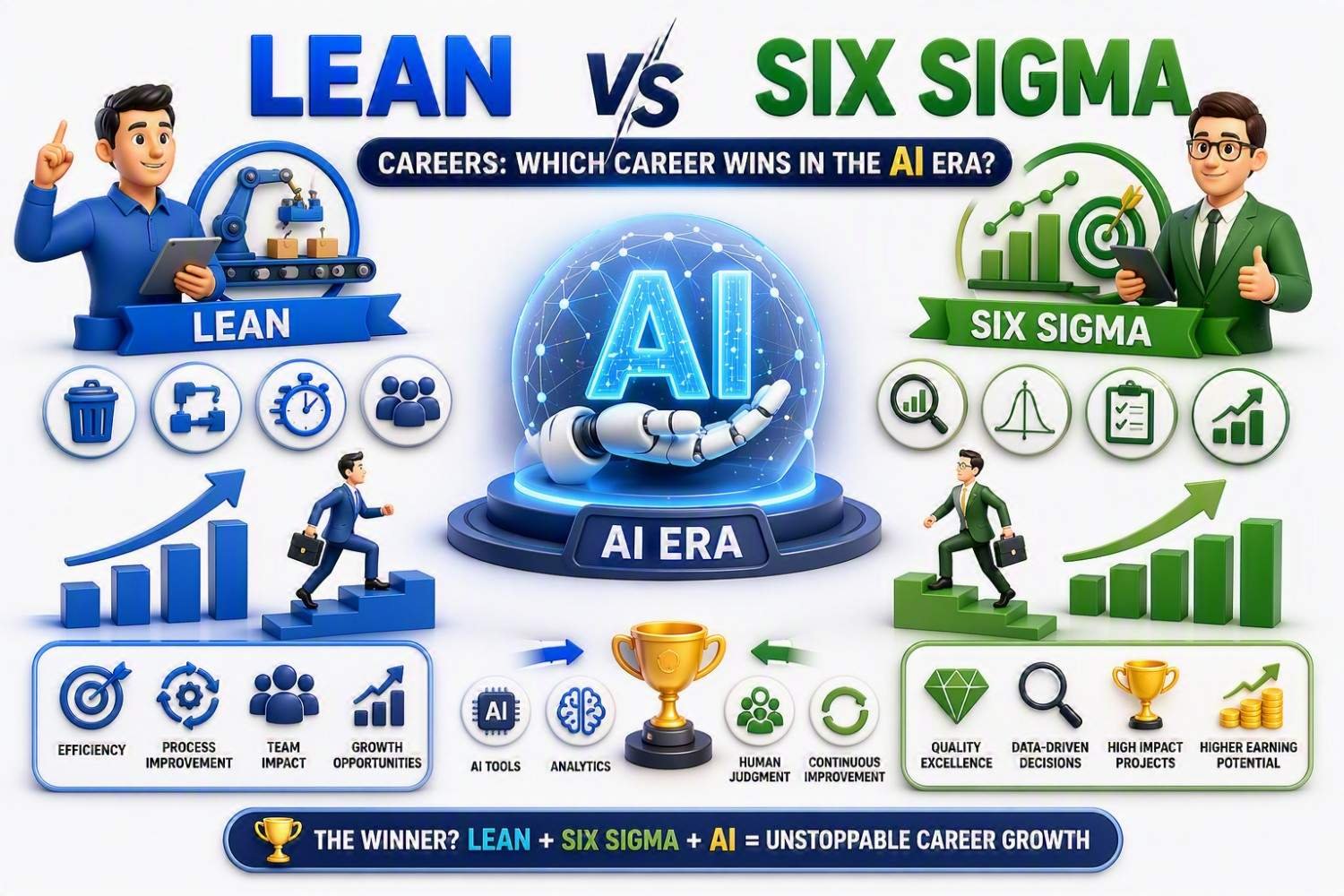
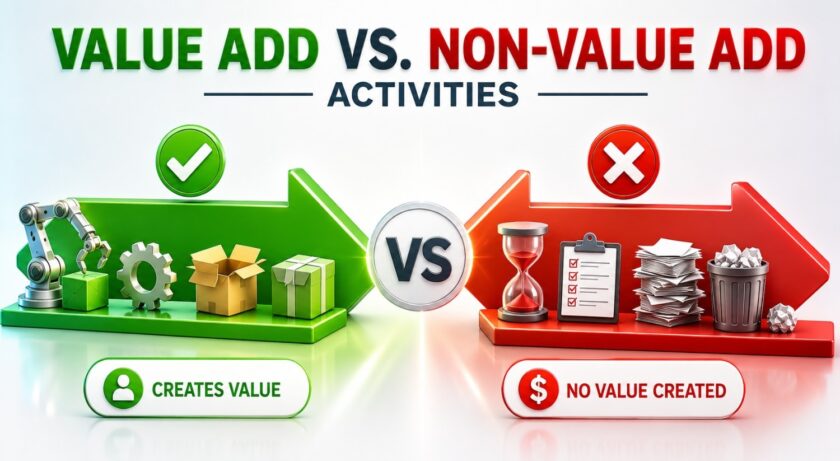
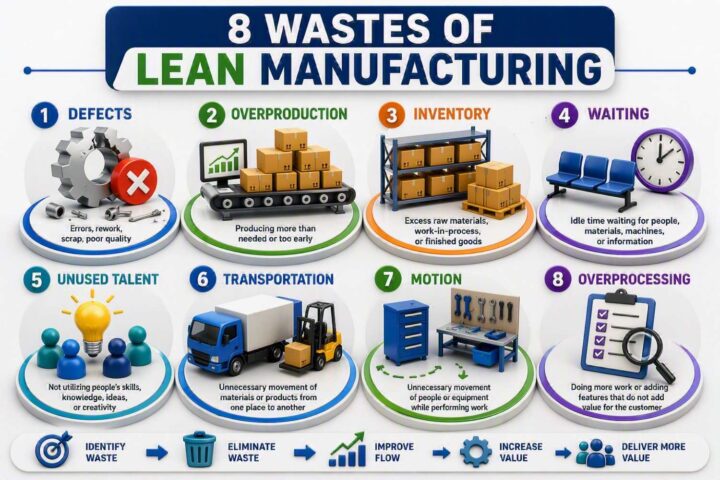
Lean focuses on eliminating waste, improving process flow, and increasing efficiency. Six Sigma takes a data-driven approach to reducing variation, defects, and process errors. While AI can analyze data, generate insights, and automate repetitive tasks, it still cannot replace the human judgment needed to improve processes, lead change, and deliver sustainable business results.
For most beginners, Lean is easier to understand and apply, making it a great starting point. Six Sigma has a steeper learning curve but develops analytical skills that become increasingly valuable as your career progresses. From what I’ve seen, professionals who combine both methodologies are often better prepared for leadership roles and future career growth.
In this guide, I’ll compare Lean and Six Sigma careers based on salary, job opportunities, career growth, industry demand, and AI’s impact, helping you decide which path offers the best long-term value. If there’s one lesson I’ve learned, it’s this: AI isn’t replacing Lean or Six Sigma professionals. It’s changing how they work. The professionals who will thrive are those who combine process improvement expertise with the ability to use AI as a tool—not as a replacement.
📊 Lean vs Six Sigma: Which Career is Better for Beginners?
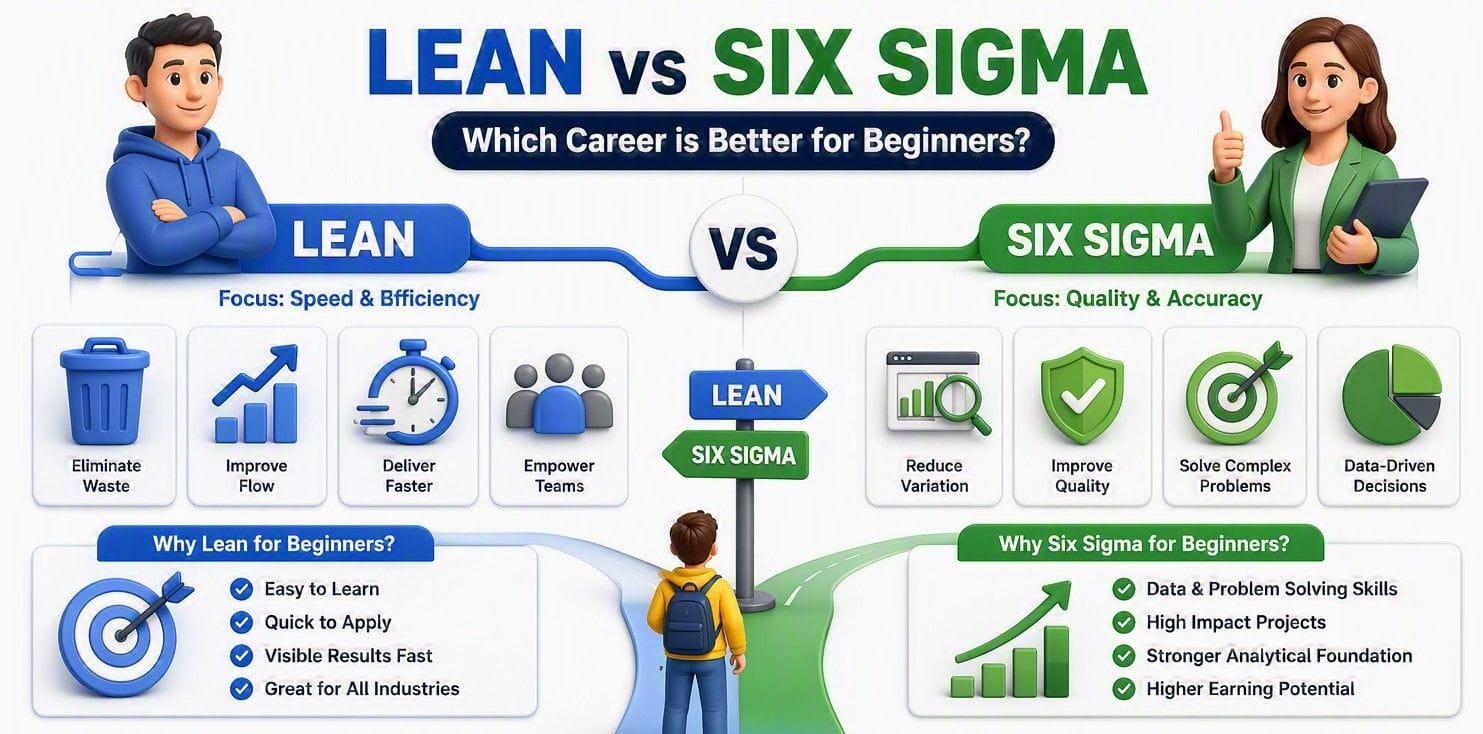
One of the questions I’m asked most often is, “Should I start with Lean or Six Sigma?” After more than 25 years working in manufacturing, medical devices, quality, and continuous improvement, my answer is usually the same: start with Lean.
Lean is easier to learn because it focuses on practical improvements rather than complex statistics. You can quickly apply concepts like 5S, Kaizen, Value Stream Mapping, and waste elimination to solve real workplace problems. I’ve seen many engineers and operations professionals gain confidence early in their careers by using these tools to deliver visible results.
Quick Comparison
Six Sigma follows a different path. It emphasizes data analysis, statistical thinking, and structured problem-solving to reduce process variation and defects. The learning curve is steeper, but those analytical skills become increasingly valuable as you move into quality engineering, operational excellence, consulting, or leadership roles.
AI doesn’t change this advice. While AI can analyze data, generate reports, and identify patterns in seconds, it still can’t replace professionals who understand processes, lead improvement projects, and make sound business decisions. Those are the skills employers continue to value.
If you’re just getting started, build a strong foundation in Lean first. Once you’re comfortable improving processes and solving day-to-day challenges, add Six Sigma to strengthen your analytical and problem-solving capabilities. In my experience, professionals who combine both methodologies are better prepared for long-term career growth and the evolving demands of an AI-driven workplace.
My recommendation: Start with Lean for faster practical experience, then progress to Six Sigma as your career develops. It’s the combination—not one over the other—that creates the strongest career opportunities.
🎓 Top-Rated Courses & Certifications
Try changing your filters or searching for another course.
💰 Lean vs Six Sigma Salary Comparison
Salary matters, but after more than 25 years in manufacturing, quality, and continuous improvement, I’ve learned that certifications don’t earn the highest salaries—business impact does. Organizations reward professionals who solve problems, improve performance, and deliver measurable results.
From my experience, Lean provides faster access to entry-level opportunities because every industry wants to reduce waste and improve efficiency. It’s an excellent foundation for building practical experience and moving into operations or management roles.
Six Sigma professionals often earn more as their careers progress. Their expertise in data analysis, process optimization, and solving complex quality problems makes them valuable for high-impact projects where the financial benefits are easy to measure.
Today, the most sought-after professionals aren’t experts in just one methodology. Employers increasingly look for people who can combine Lean thinking, Six Sigma analytics, and AI tools to drive continuous improvement. That’s where I see the strongest salary growth and career opportunities.
Salary Comparison at a Glance
🚀 Lean vs Six Sigma Career Potential A high-level comparison across different career stages
My recommendation: If your goal is to start your career quickly, Lean is the easier path. If you’re aiming for higher-paying specialist or leadership roles, add Six Sigma as you gain experience. In today’s AI-driven workplace, professionals who combine Lean, Six Sigma, and AI are likely to have the strongest long-term earning potential.
🏭 Industries that hire Lean and Six Sigma Professionals
One of the reasons I recommend Lean and Six Sigma is their versatility. Over the past 25 years, I’ve used these skills across manufacturing, medical devices, and quality systems, and one thing has remained consistent—they’re valuable in almost every industry. Every organization wants to improve efficiency, reduce costs, and deliver better results.
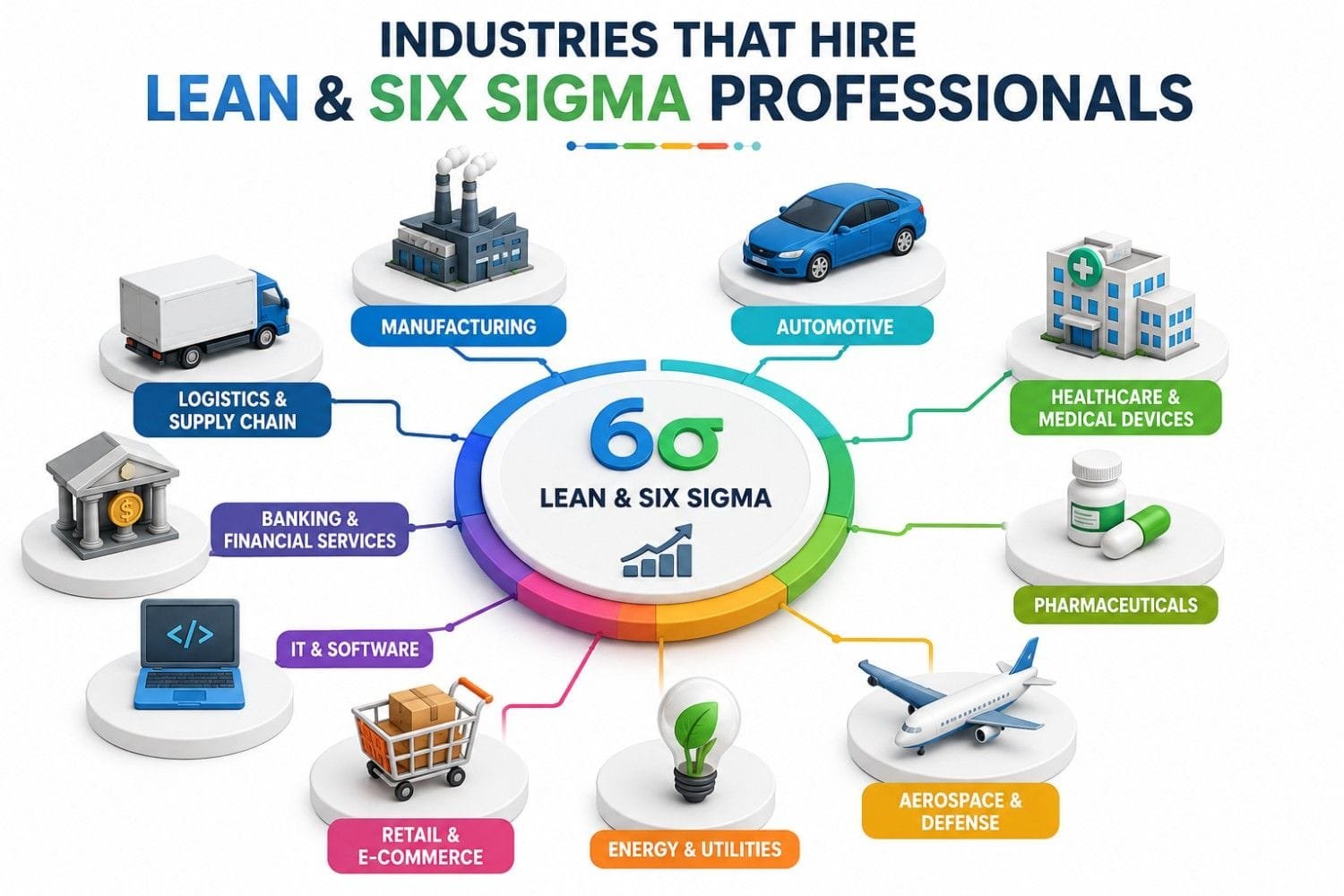
Traditionally, Lean was closely associated with manufacturing, while Six Sigma was used for quality improvement. Today, that distinction is much smaller. Hospitals, banks, logistics companies, software firms, retailers, and government organizations all use these methodologies to improve performance. In my experience, most employers don’t look for Lean or Six Sigma—they look for professionals who can solve problems and drive measurable improvements.
Industries Hiring Lean and Six Sigma Professionals
My recommendation: Don’t choose a career based on the industry alone. Choose an industry you’re passionate about, then build expertise in Lean, Six Sigma, and AI. From what I’ve seen, professionals who combine these skills have the greatest career flexibility and are better positioned for future opportunities, regardless of the sector.
📚 Recommended Books for Professionals
Try removing one or more filters.
🧠 How to Decide: Lean vs Six Sigma
After more than 25 years in manufacturing, quality, and continuous improvement, I've learned that the best choice isn't about which methodology is better—it's about which one fits your career goals. If you enjoy improving workflows, eliminating waste, and seeing quick results, Lean is the better place to start. It's practical, easier to learn, and helps you build confidence by solving everyday business problems.
If you're naturally curious about data, root cause analysis, and solving complex quality issues, Six Sigma is a better fit. It takes more time to master, but those analytical skills can open doors to specialist and leadership roles. From what I've seen, the most successful professionals don't stop with one methodology. They start with Lean, strengthen their analytical skills with Six Sigma, and use AI to work smarter—not harder. That's the combination employers increasingly value.
If I were starting my career today, I'd begin with Lean because it builds a strong understanding of how businesses operate. Once that foundation is in place, I'd add Six Sigma to develop deeper analytical skills. In the AI era, it's not about choosing Lean or Six Sigma—it's about knowing how to combine Lean, Six Sigma, and AI to deliver measurable business results.

Lean Six Sigma • Six Sigma • Statistics • Project Management • Artificial Intelligence (AI) • Operations Management • Quality Management
🏆Final Verdict: Which Career Should You Choose?
If you're just starting out, Lean is the best place to begin. It gives you a practical understanding of process improvement, helps you deliver results quickly, and builds a strong foundation for almost any industry.
As your career progresses, Six Sigma becomes a valuable addition. It strengthens your analytical thinking, problem-solving, and decision-making skills—qualities that are highly valued in quality, operational excellence, consulting, and leadership roles.
The biggest shift I've seen is the growing role of AI. It can analyze data and automate routine tasks, but it can't replace professionals who understand processes, lead teams, and turn insights into lasting business improvements.
💡My Recommendation
- ✅ Start with Lean if you're new to process improvement.
- ✅ Add Six Sigma as your analytical skills and responsibilities grow.
- ✅ Learn AI alongside both to stay competitive in the years ahead.
Frequently Asked Questions (FAQ)
- Is Lean easier than Six Sigma?
Yes, Lean is generally easier as it is less statistical. - Which certification is better?
Both are valuable; combined certifications provide maximum benefit. - Does Six Sigma guarantee higher salary?
Generally yes—Six Sigma professionals often earn slightly higher salaries due to advanced analytical and statistical skills. - Which is better for career growth: Lean or Six Sigma?
Both offer strong growth, but Six Sigma is often preferred for specialized, data-driven roles, while Lean suits operational roles. - Is Lean easier to learn than Six Sigma?
Yes—Lean is more practical and less statistical, making it easier for beginners compared to Six Sigma. - Which certification should I choose first: Lean or Six Sigma?
It depends on your goal—Lean is good for quick operational improvements, while Six Sigma builds strong problem-solving skills. - Is Lean Six Sigma better than choosing only one?
Yes—combining both gives a balanced skill set of efficiency and quality, which companies highly value. - What industries use Lean and Six Sigma??
Both are widely used across manufacturing, healthcare, IT, finance, and service industries.
Continue Your Learning Journey
Learning is a continuous process. Explore related topics, practical guides, tools, calculators, templates, and learning resources to expand your knowledge and develop new skills.
Choose a category below to explore practical tutorials, tools, calculators, templates, case studies, and learning resources.
Recommended Learning Resources
Expert-led courses to build practical skills, earn credentials, and advance your career.
Recommended professional books, certification guides, and practical study resources.
Ready-to-use templates, checklists, guides, and workbooks for practical applications.
Interactive calculators for statistics, quality, engineering, analysis, and decision-making.
Interactive Z, t, Chi-Square, and F tables with critical values and distribution curves.
Discover practical tutorials, case studies, and professional resources across Quality, Lean Six Sigma, Project Management, Statistics, AI, and Data Analytics.
Published: May 10, 2026
Last Updated: September 18, 2026