
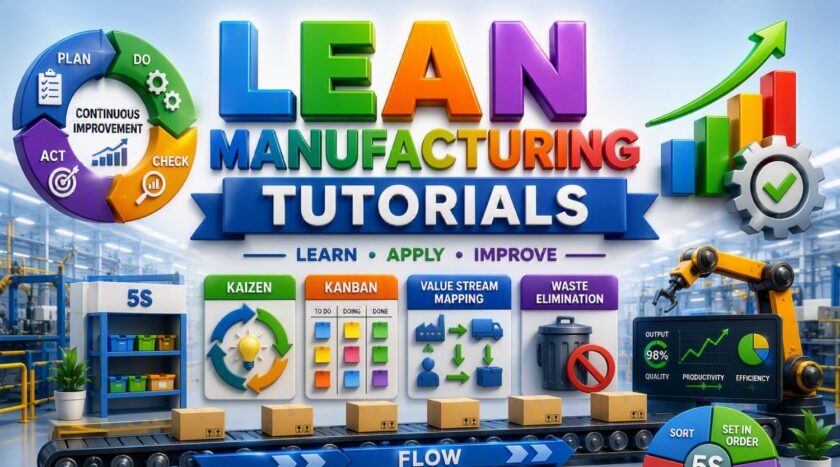
🏭 Lean Manufacturing Tutorials
Lean Manufacturing is a proven business improvement methodology focused on maximizing customer value while minimizing waste. By eliminating non-value-added activities, organizations can improve productivity, reduce costs, improve quality, shorten lead times, and enhance customer satisfaction. Originally developed through the Toyota Production System (TPS), Lean Manufacturing is now used across manufacturing, healthcare, logistics, software, and service industries worldwide.
Prefer Watching Instead of Reading?
Explore practical tutorials on Lean Manufacturing,
Six Sigma, Quality Management, Statistics,
Problem Solving, AI, and Data Analytics.
📌 Why Lean Manufacturing Matter
Lean Manufacturing focuses on increasing customer value while reducing waste. Organizations that successfully implement Lean principles often improve productivity, reduce lead times, lower costs, improve quality, and enhance customer satisfaction.
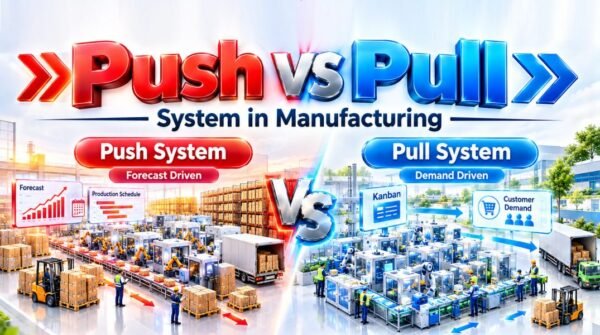
Push vs Pull System in Manufacturing : How Modern Manufacturing Systems Work
Learn the key differences between Push vs Pull System in Manufacturing, including how each production ...

SMED (Single-Minute Exchange of Die) : Reduce Changeover Time
Learn what SMED (Single-Minute Exchange of Die) is, how it reduces changeover time, and why ...
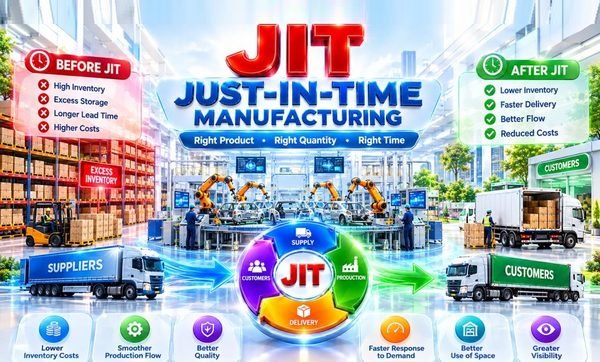
Just-in-Time (JIT) Manufacturing : How it Reduces Waste and Inventory
Learn how Just-in-Time (JIT) Manufacturing reduces inventory, eliminates waste, improves efficiency, and supports Lean Manufacturing ...
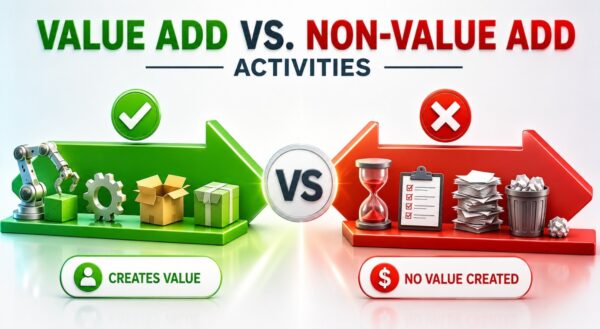
Value-Added vs Non-Value-Added Activities in Lean Explained
Learn how to distinguish value add and non-value add activities, identify hidden waste, and improve ...
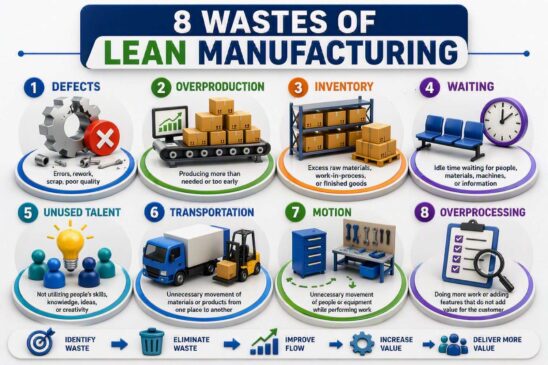
8 Wastes of Lean Manufacturing: How to Identify and Eliminate Waste
Learn what Lean Manufacturing Waste is and discover the 8 wastes that reduce productivity, increase ...
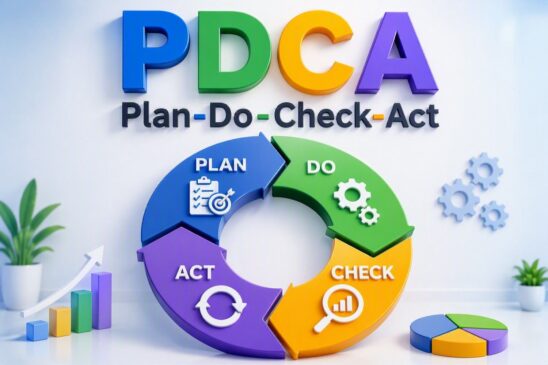
What is PDCA Cycle (Plan-Do-Check-Act): Improve Quality and Reduce Defects
Learn how the PDCA Cycle (Plan-Do-Check-Act) helps world-class manufacturers improve quality, reduce defects, and drive ...
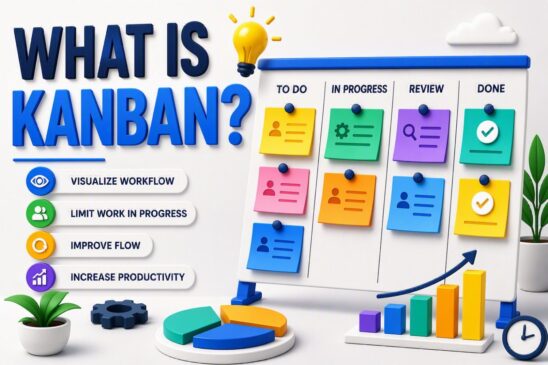
Kanban Explained: Create a Board That Boosts Productivity
Learn how Kanban helps teams visualize workflow, limit work in progress, eliminate bottlenecks, and boost ...
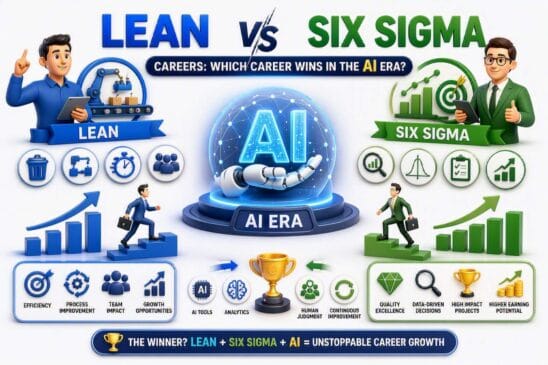
Lean vs Six Sigma Careers: Which Career Wins in the AI Era?
Lean vs Six Sigma Careers: Which Career Wins in the AI Era? As AI transforms ...
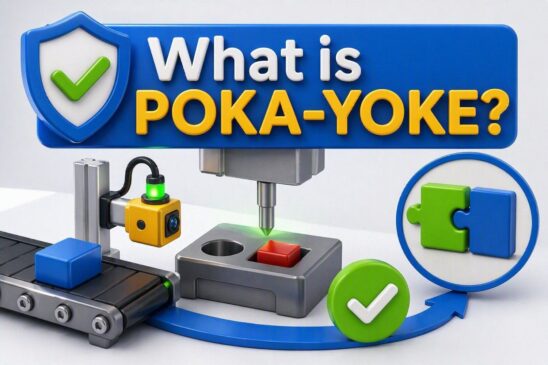
Poka-Yoke: Smart Error-Proofing for Zero Defects
Learn how Poka‑Yoke (Mistake Proofing) helps prevent errors before they occur. Discover practical examples, proven ...
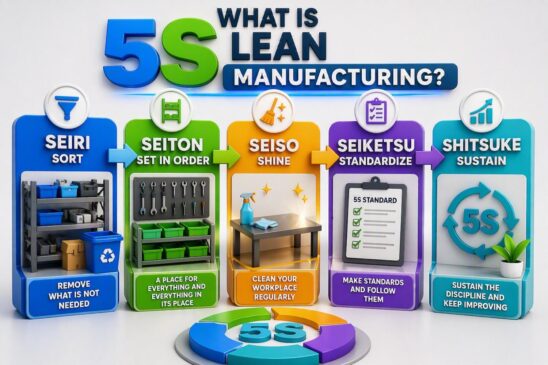
What is 5S Lean Manufacturing | 5S Methodology
Learn what 5S Lean Manufacturing is, how the five 5S steps work, and how organizations ...
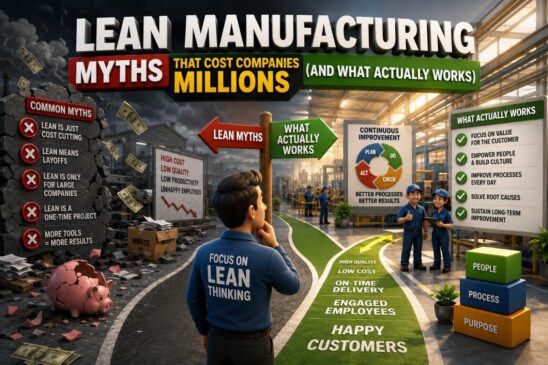
Why Lean Manufacturing Fails: 10 Mistakes That Cost Companies Millions
Learn the Lean Manufacturing myths that silently cost companies millions in wasted time, resources, and ...
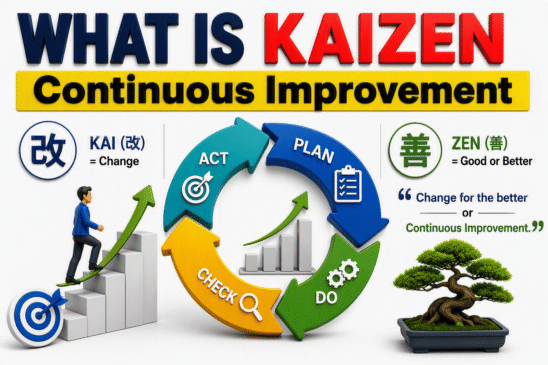
What is Kaizen? Japanese Philosophy of Continuous Improvement
Learn how to implement Kaizen step by step using a practical roadmap, proven tools, and ...
